Husmannsplassen Melaaslia kortlistet i Europa Nostra Awards konkurransen for 2026
Høsten 2025 ble istandsettingsarbeidet med husmannsplassen Melaaslia i Gjerstad, inkludert restaureringsarbeidet med kulturlandskapet, som et av 261 prosjekt fra hele Europa nominert til Europa Nostra Awards. Prosjektet var et av 14 i denne kategorien “Conservation and adaptive reuse” som kom til finalen.
Europa Nostra deler ut European Heritage Awards / Europa Nostra Awards hvert år. Prisen er Europas fremste pris innen kulturmiljø og tildeles for å inspirere og fremheve spesielt fremragende bevaringsarbeid. Europa Nostra Awards ble etablert av Europa Nostra i 1978 med sikte på å rette oppmerksomheten mot bevarings- og utviklingsarbeidet i kulturelt og historisk verdifulle miljøer rundt om i Europa. I 2002 etablerte EU sin egen European Union Prize for Cultural Heritage, administrert av Europa Nostra. De to prisene er slått sammen til European Heritage Awards / Europa Nostra Awards. Prisen har fire konkurransekategorier; Conservation, Research, Dedicated Service og Education. Prisutdelingen finner sted under Europa Nostras årlige kongress / toppmøte, som veksler mellom forskjellige europeiske byer og i år skjer utdelingen i Kypros.
I beskrivelsen står blant annet begrunnelsen for Melaaslia følgende:
"The restoration of Melaaslia, two simple lumber buildings and cultural landscape, is a project that gives the social group of propertyless «husmenn» (crofters) an important recognition.
From the late 1700s to the mid-1850s the crofters constituted one of the largest social groups in Norway. The crofter system came about because of increased population growth and very limited usable land, due to the climate and topography. Even today only 2% of the land in Norway is cultivated. At a time farming and self-sufficiency were essential, there was a need to give the “surplus population” access to land which in general was marginal so that they could maintain self-sufficiency.
With industrialization and the opportunity to emigrate, the crofters gradually gave up their marginal living and looked elsewhere for work. The crofters were held in low esteem and consequently their farm buildings gradually went into disrepair and disappeared. Very few crofter's farms remain intact with their original construction and interior. Only lately the Directorate of Cultural Heritage has taken an interest in preserving this forgotten heritage, from which a large percentage of Norwegians are descendants.
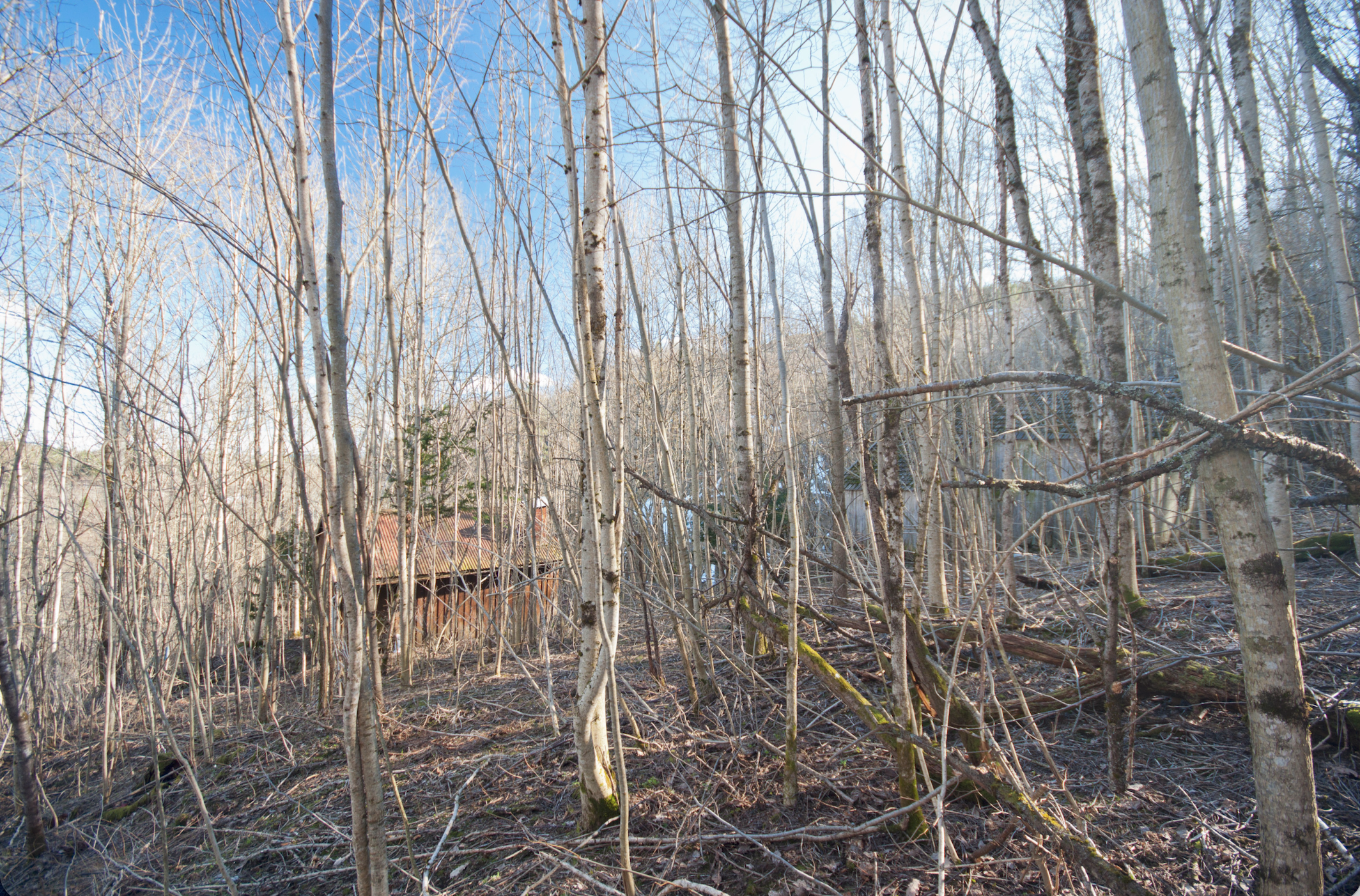
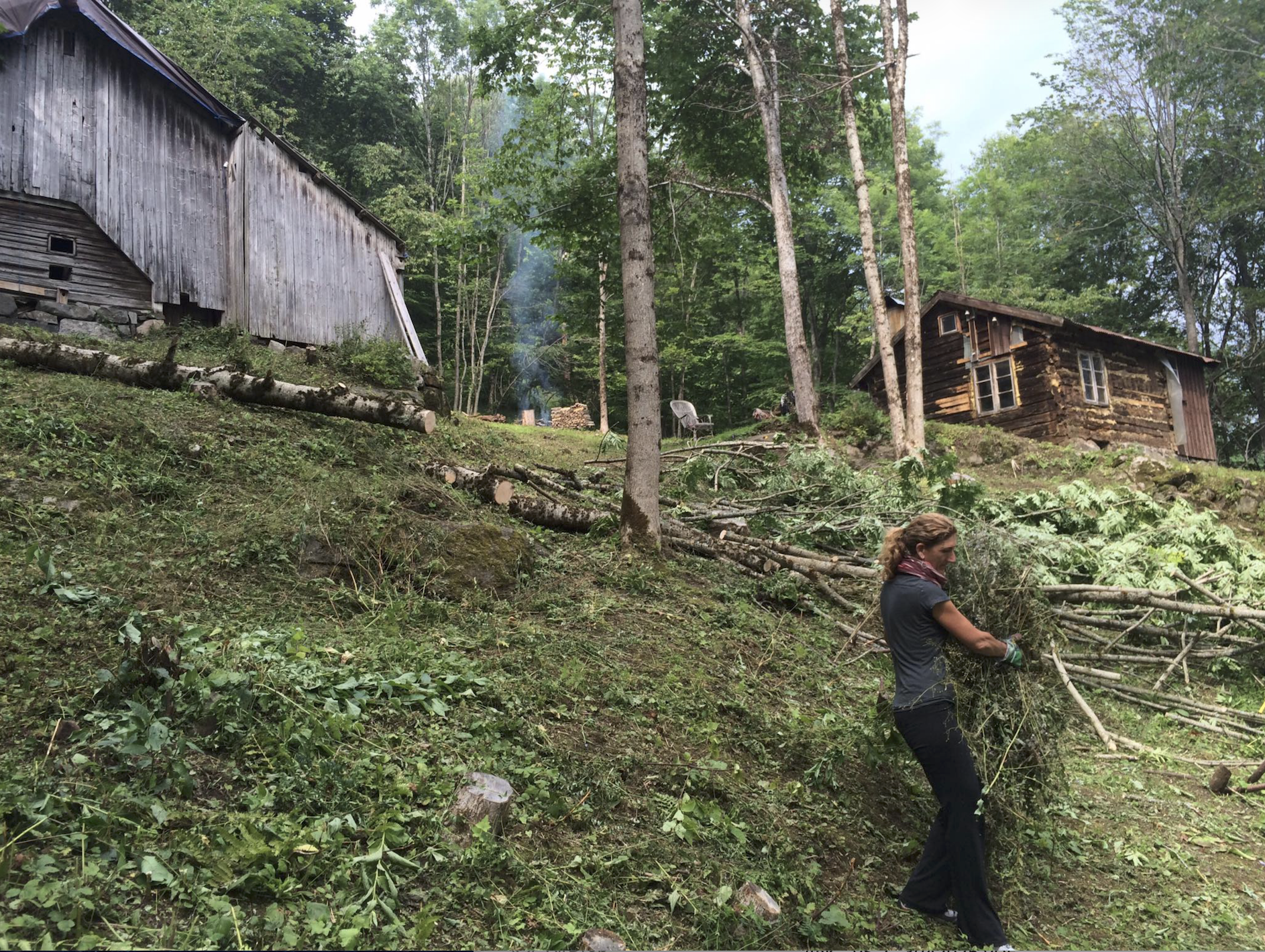
Melaaslia was cleared around 1799. In the 19th century, the farmhouse of 24 square meters housed 8 people, while the barn of 35 square meters housed a cow and some sheep, an outhouse and room for storing hay and tools. The property had access to 3.5 hectares of land on a steep hillside with a height difference of 112 meters, which was eventually cleared by the crofter. Additionally, in order to be allowed to farm the land, the crofter had to participate in the harvest and herding for the farmer, as well as other tasks Melaaslia was bought from the farmer in 1908 and was occupied with very limited upgrading until 1985. For 30 years the property was in disrepair and the landscape unmaintained. The current owners took over the property in 2014.
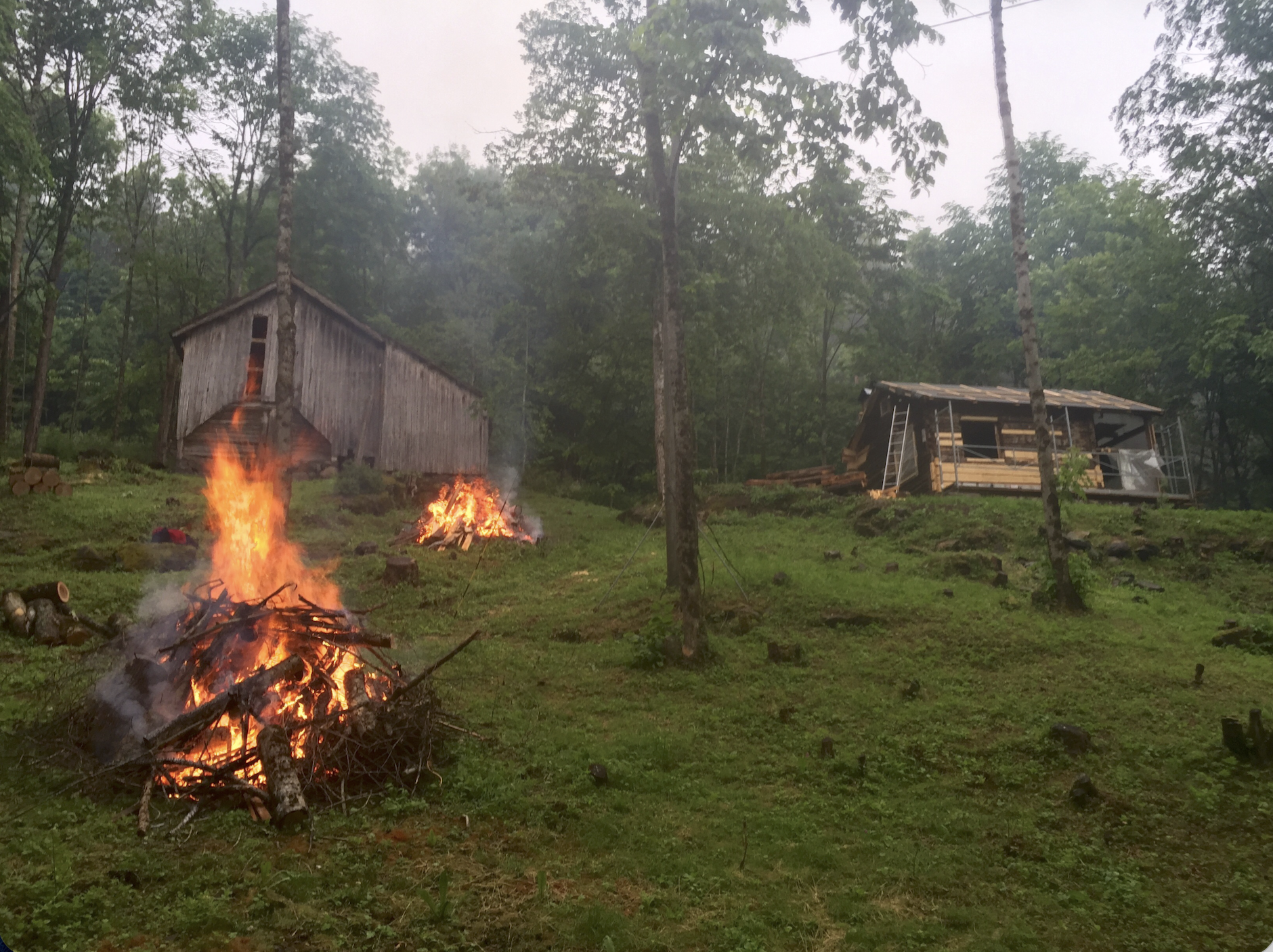
In the years that followed, the buildings were restored with the possibility of new use. During the restoration, cow dung was discovered as insulation material in the construction. This was the first time that cow dung used as building material was brought to the attention of central heritage conservation authorities.
Numerous conservation courses were held during the restoration. The public continues to have access to the project, visits and events. The authorities have given the property National Conservation status and a registry procedure is under way."
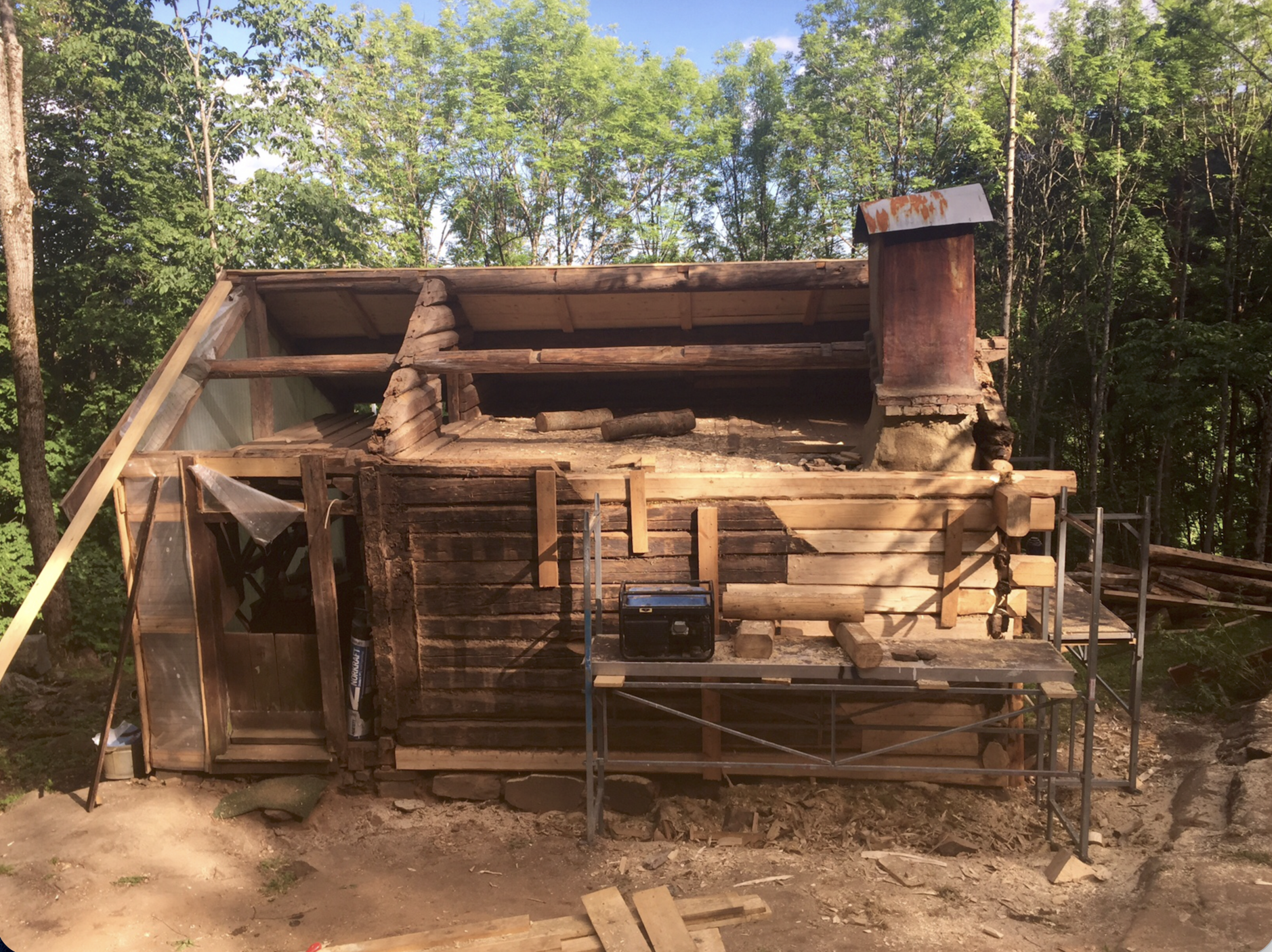
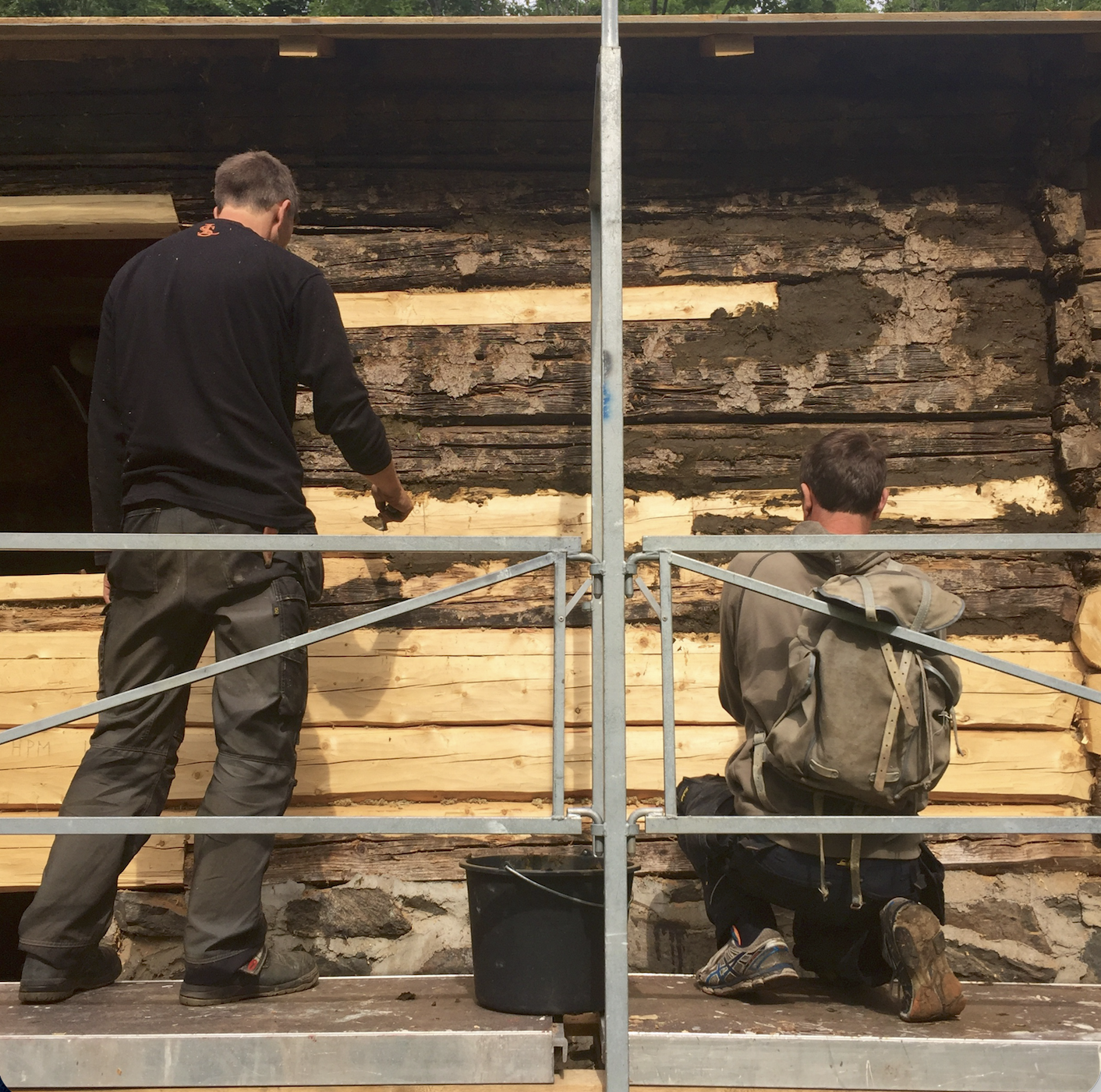
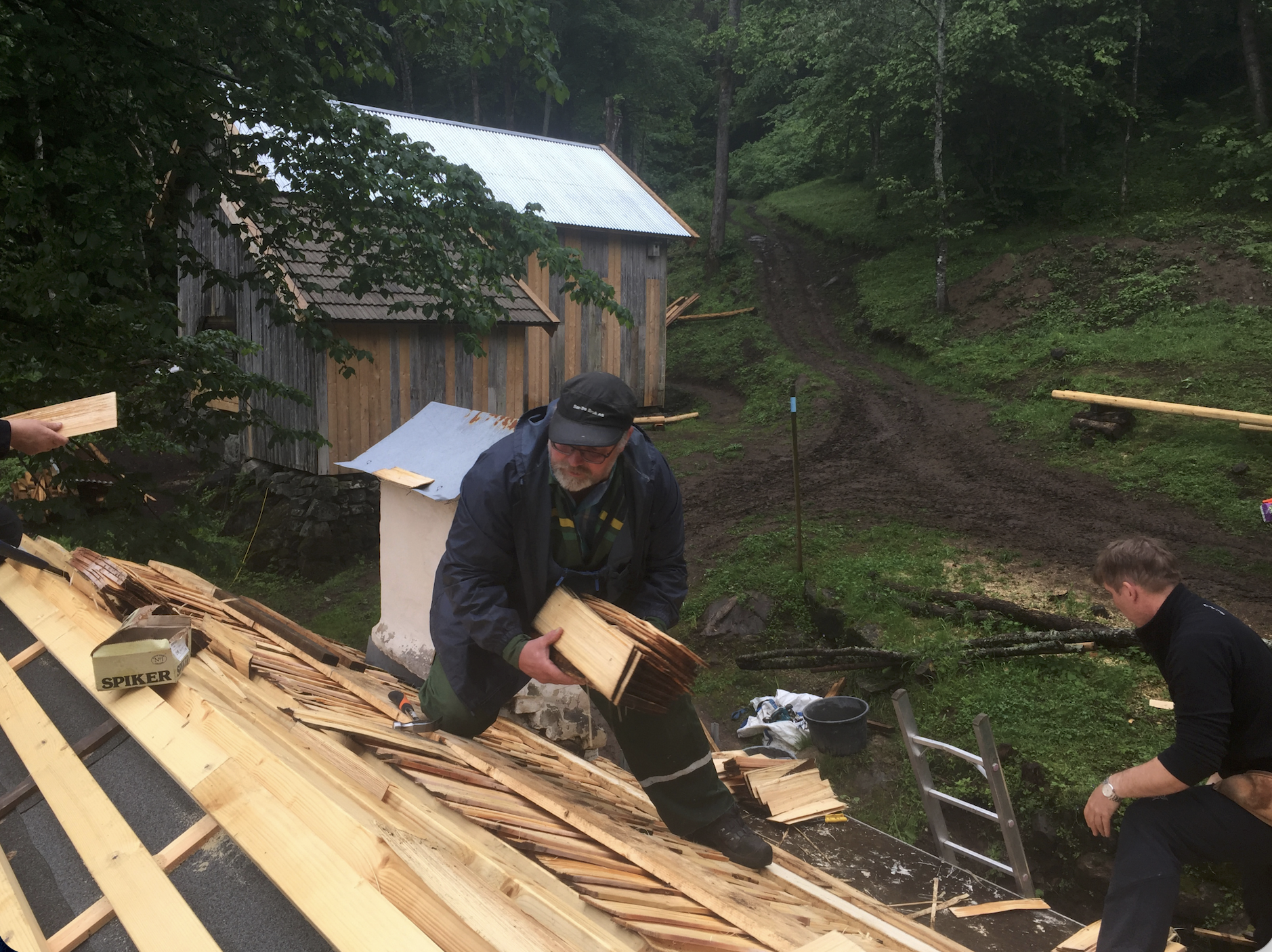
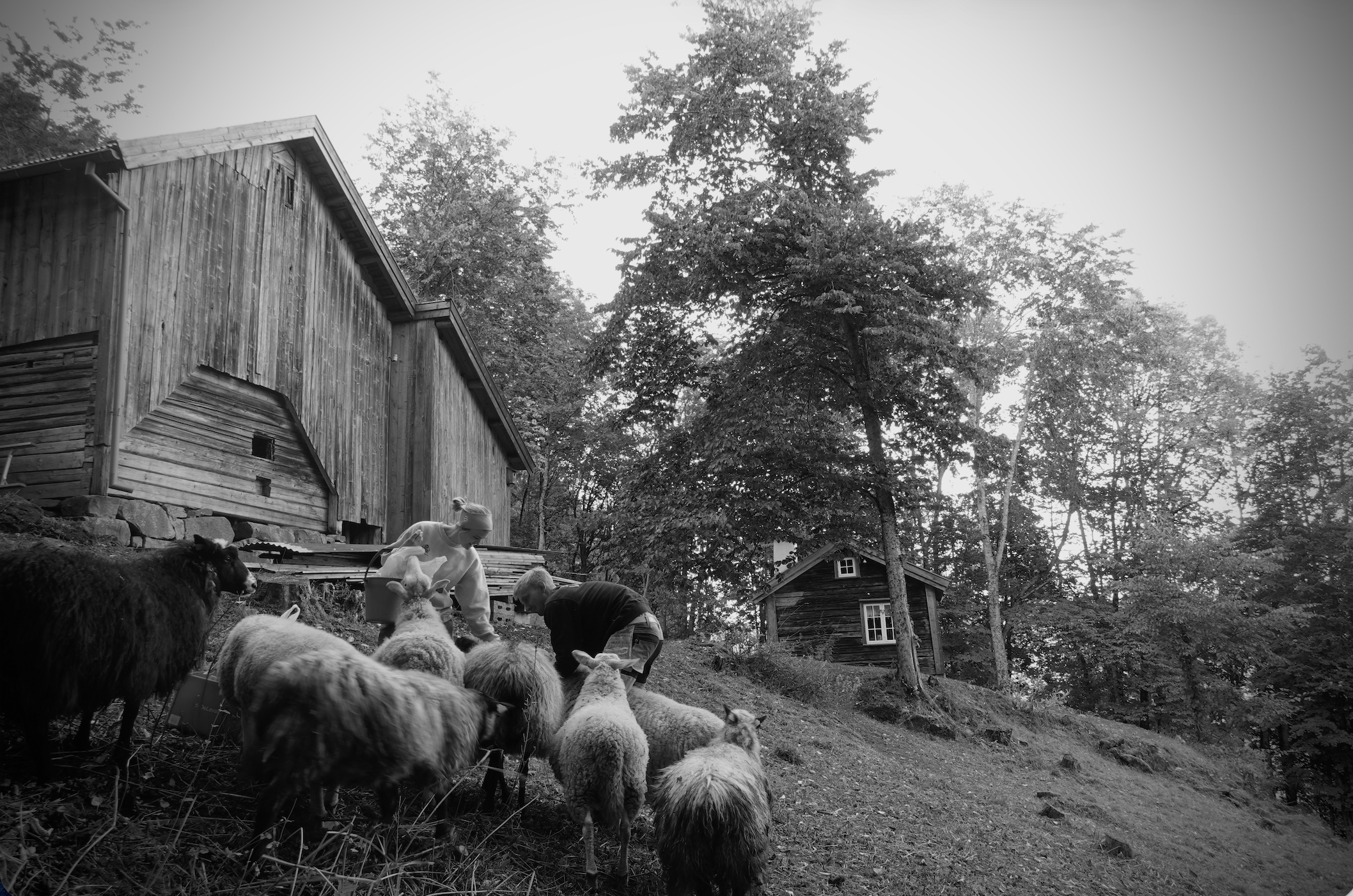
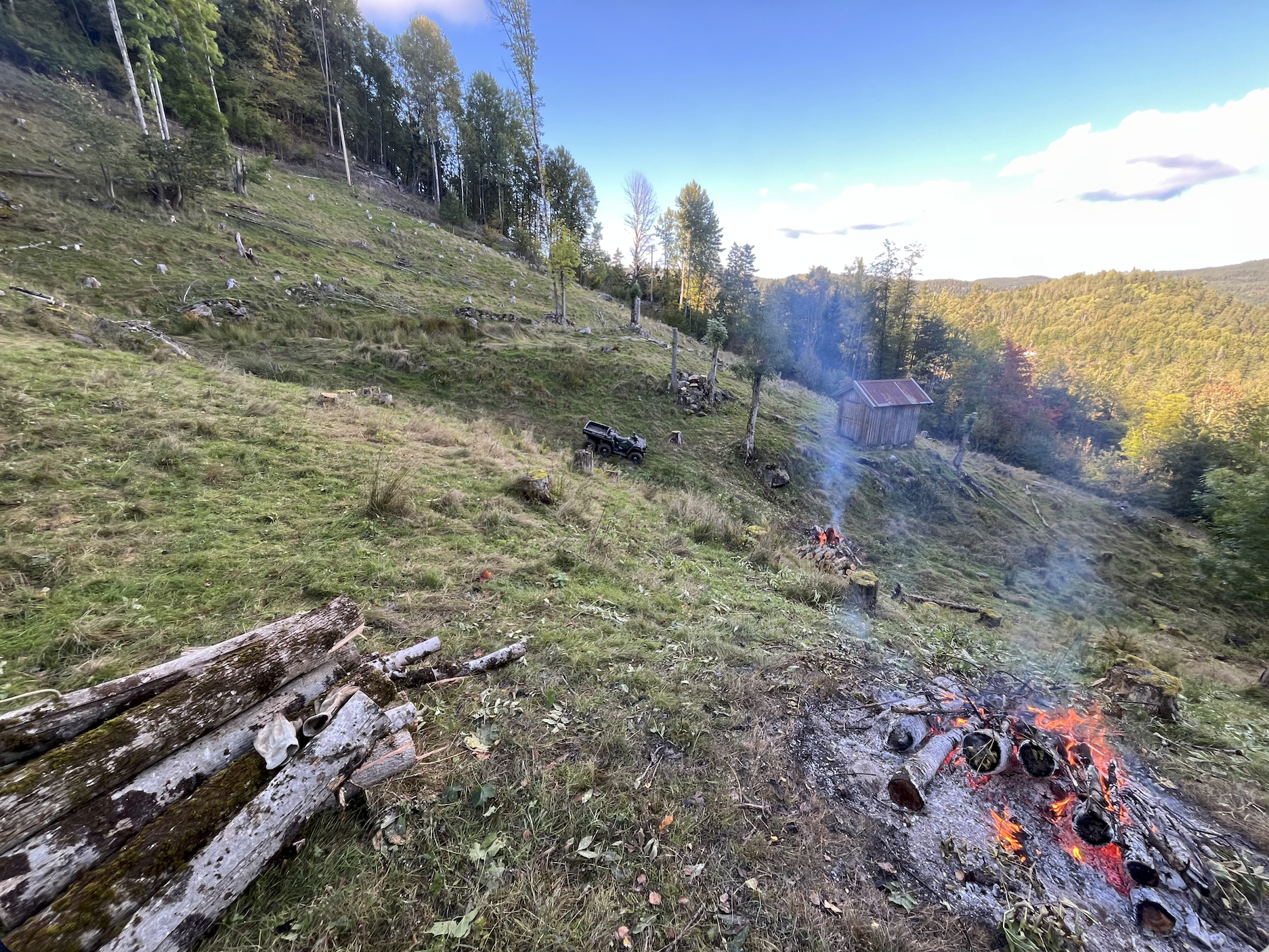
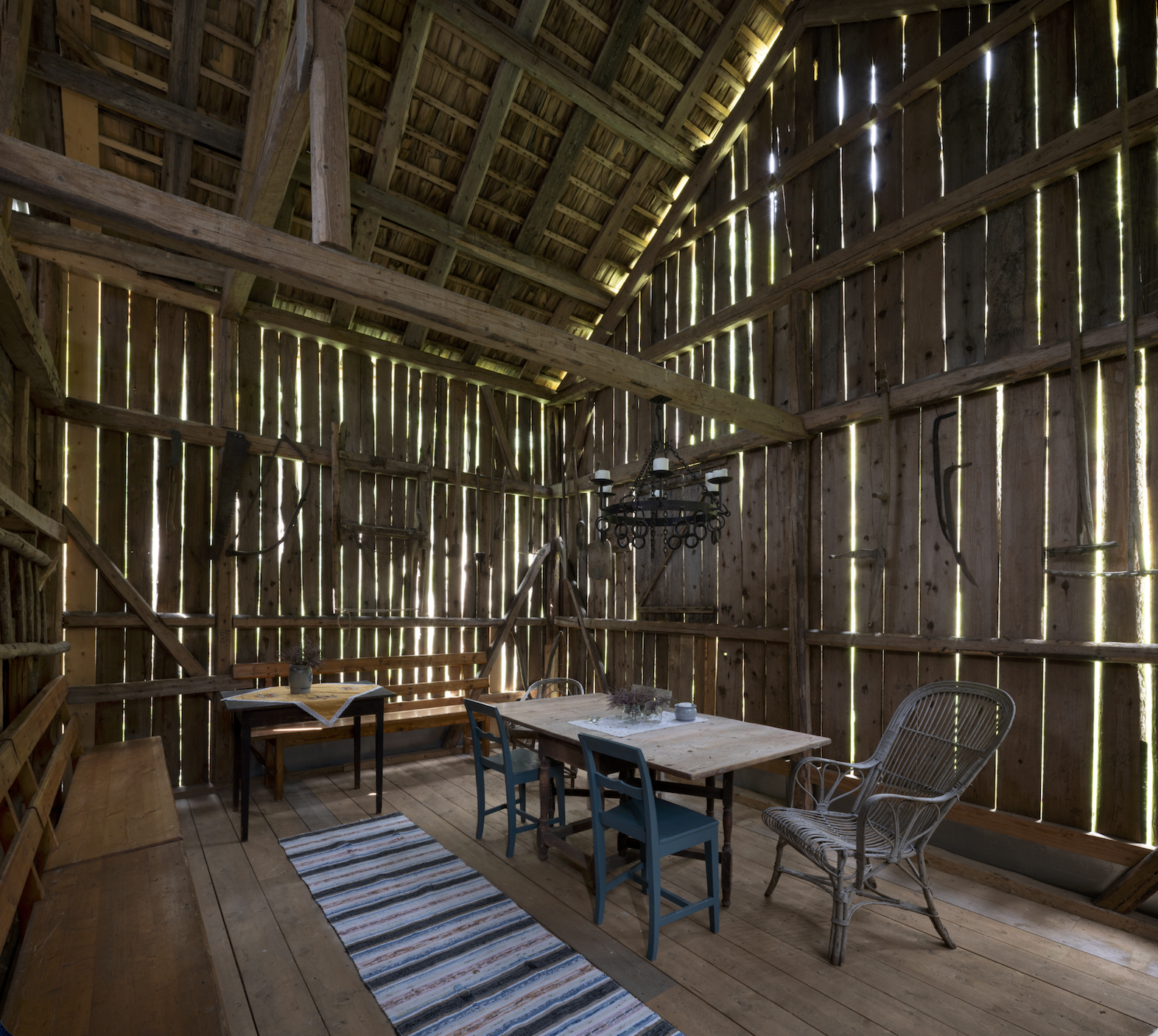
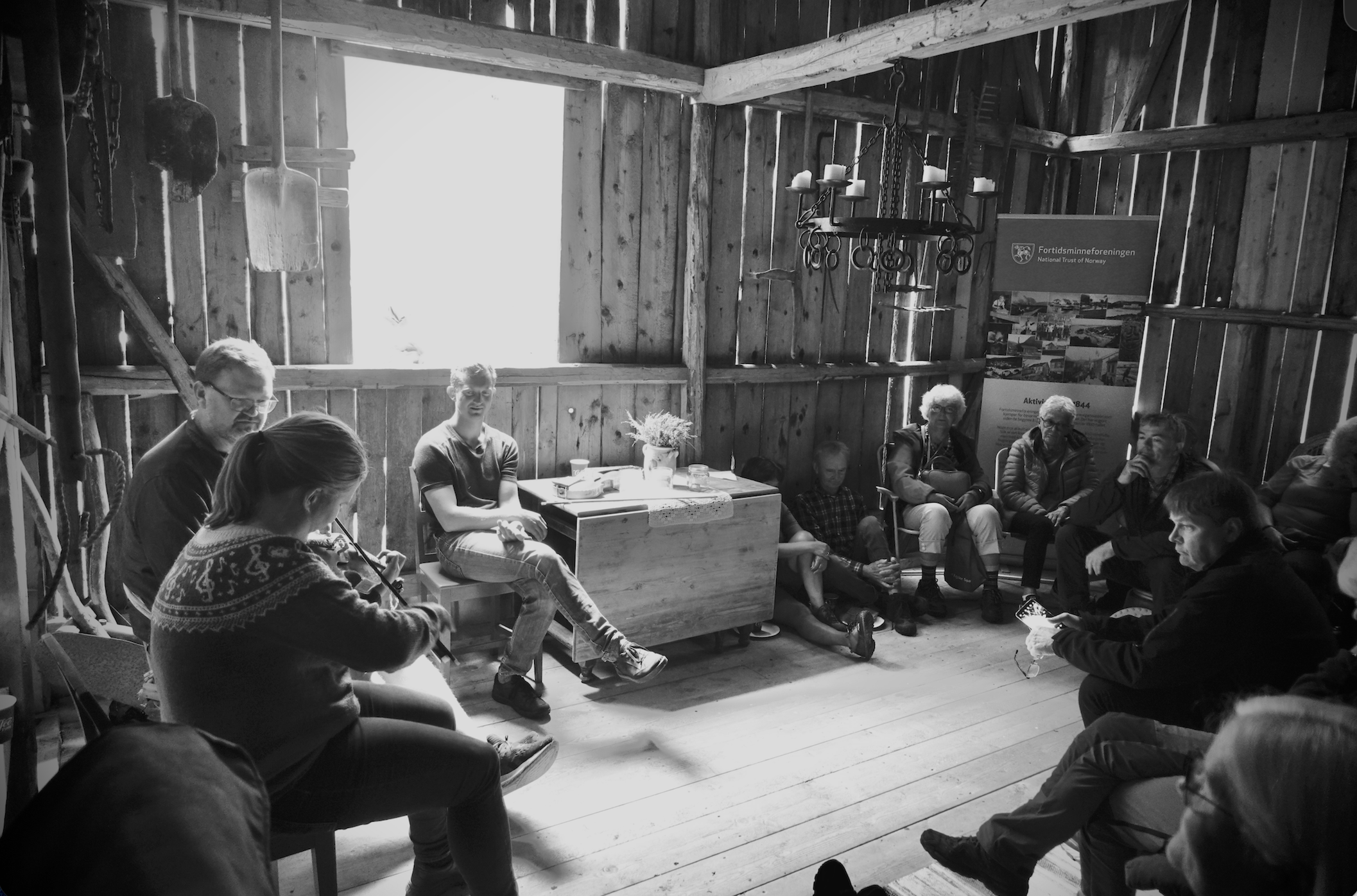
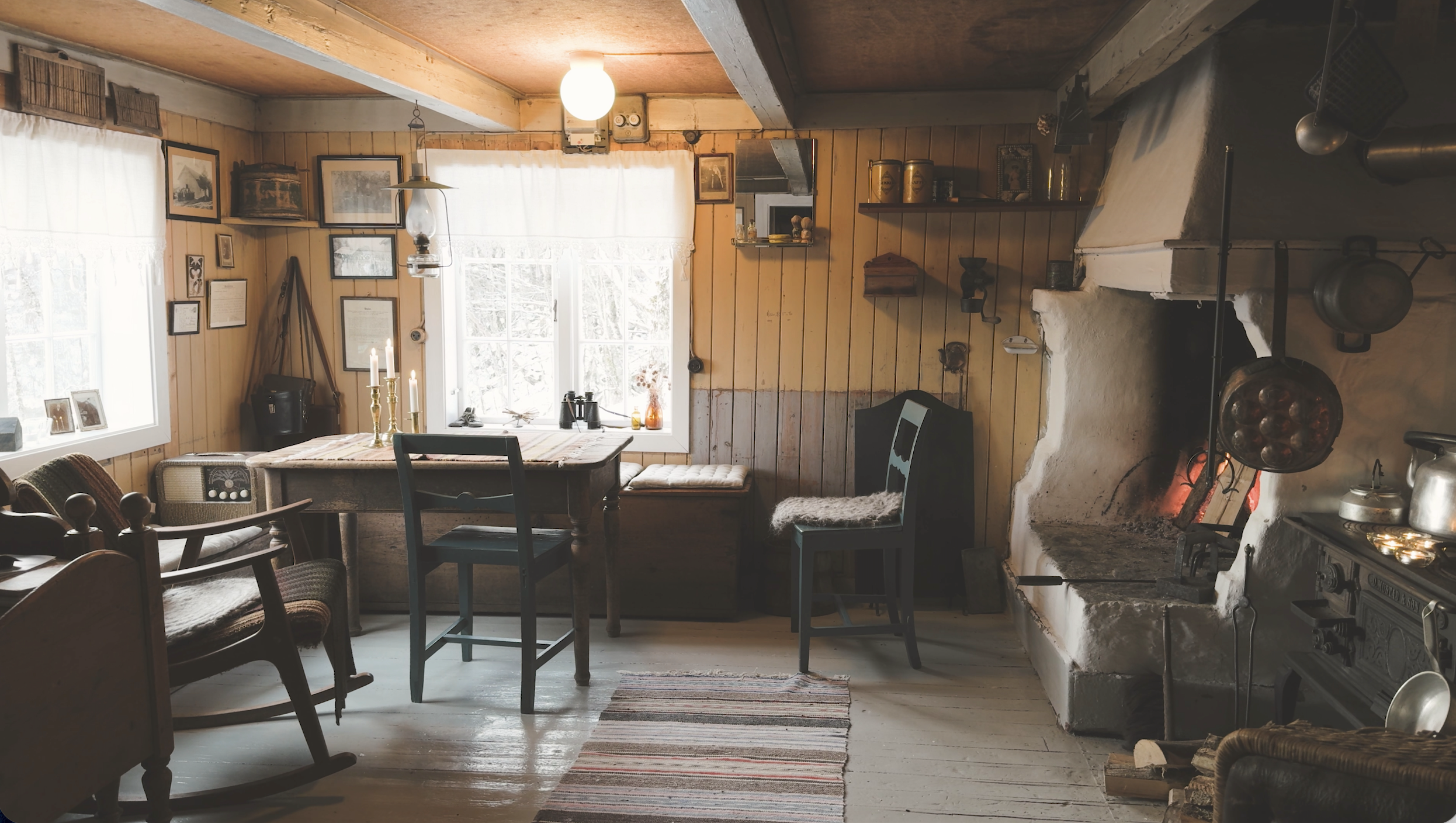
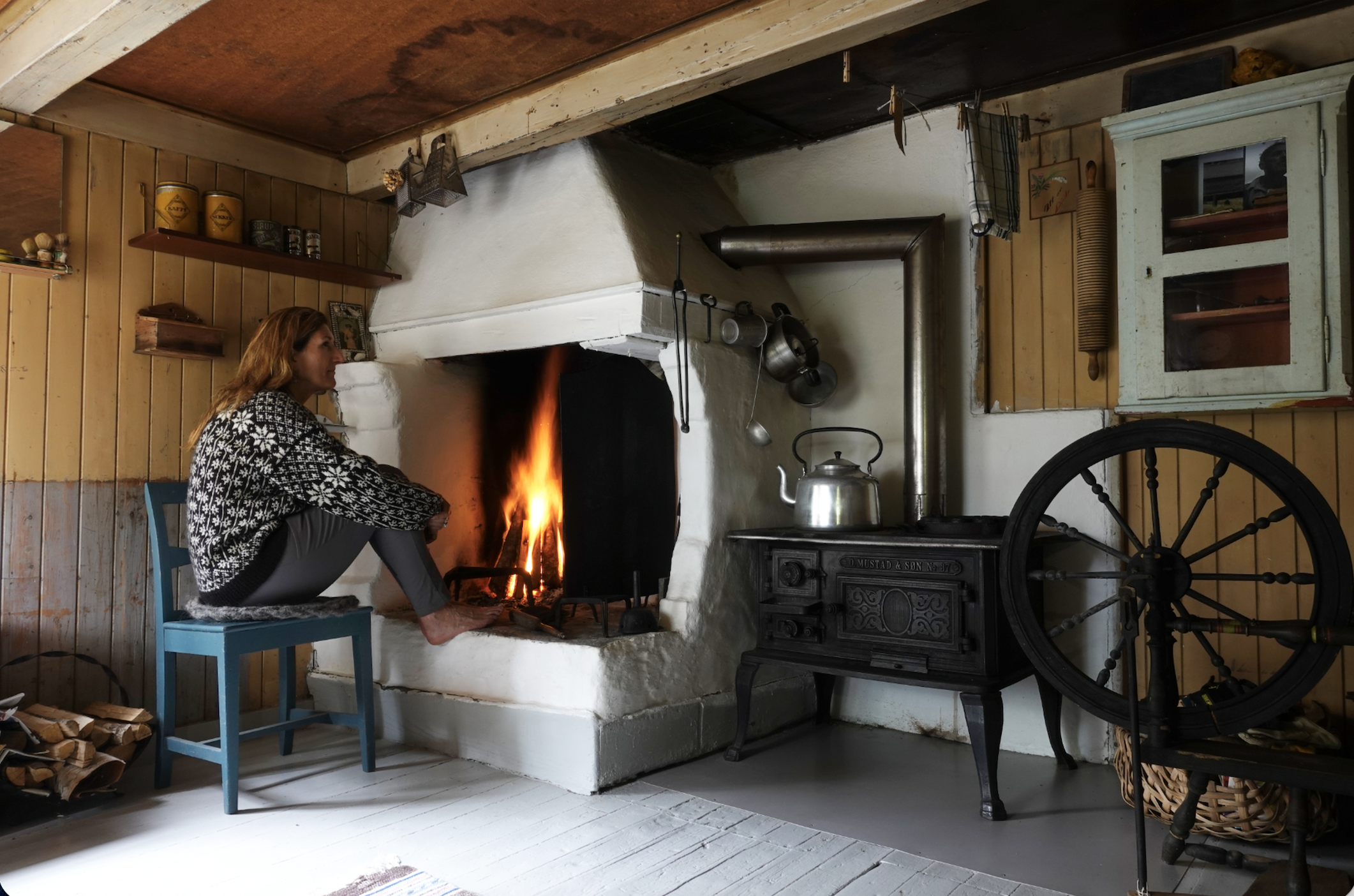
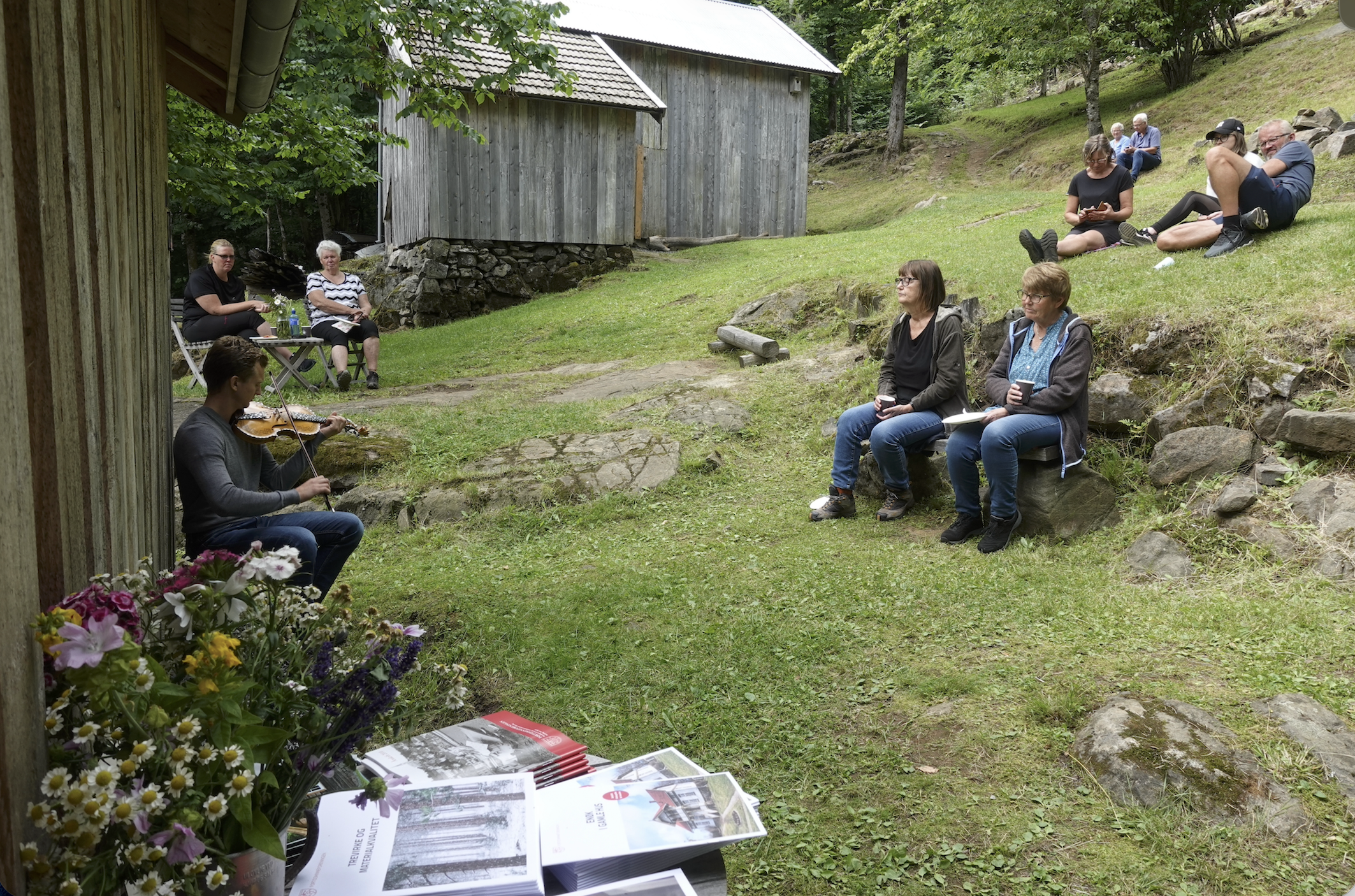
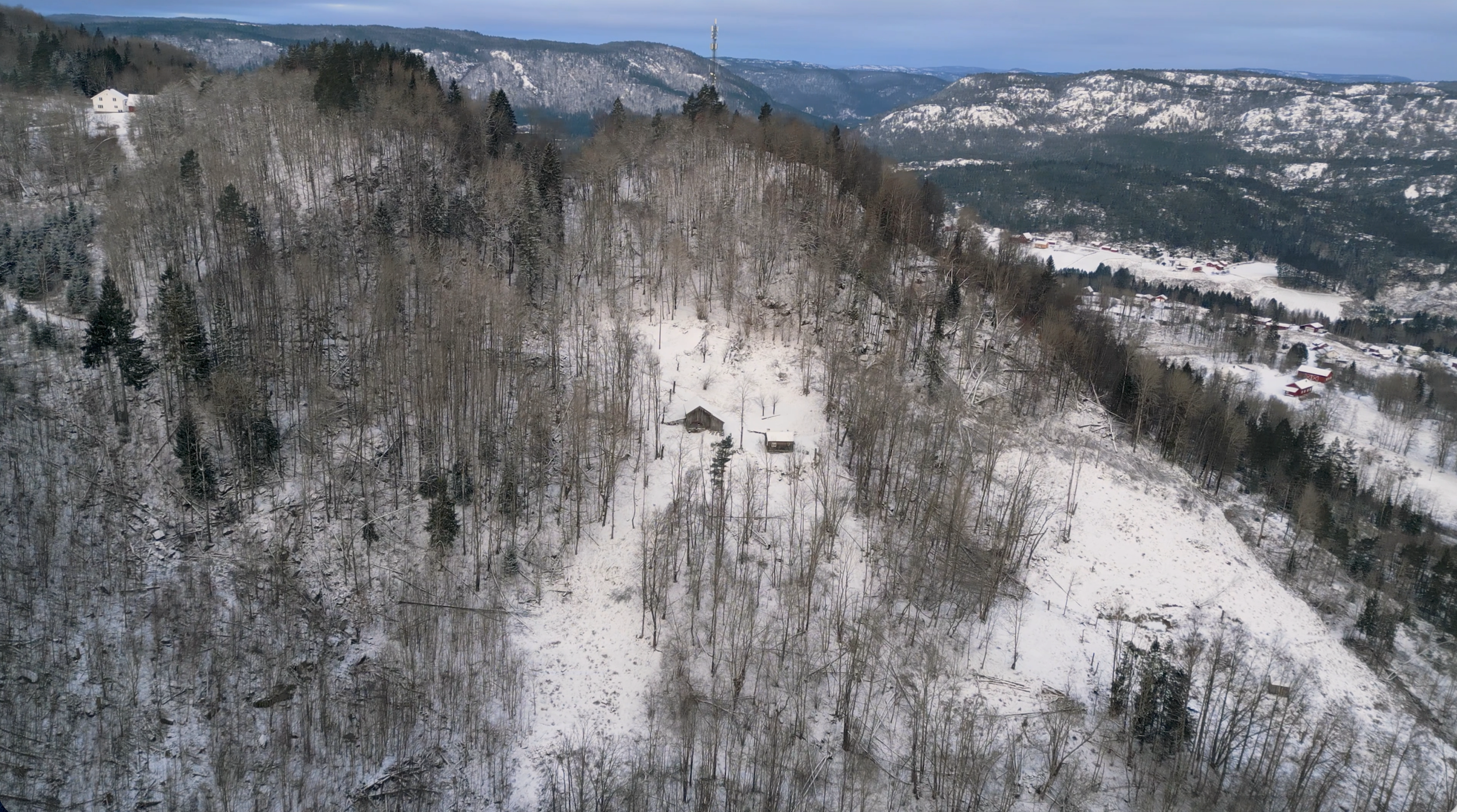
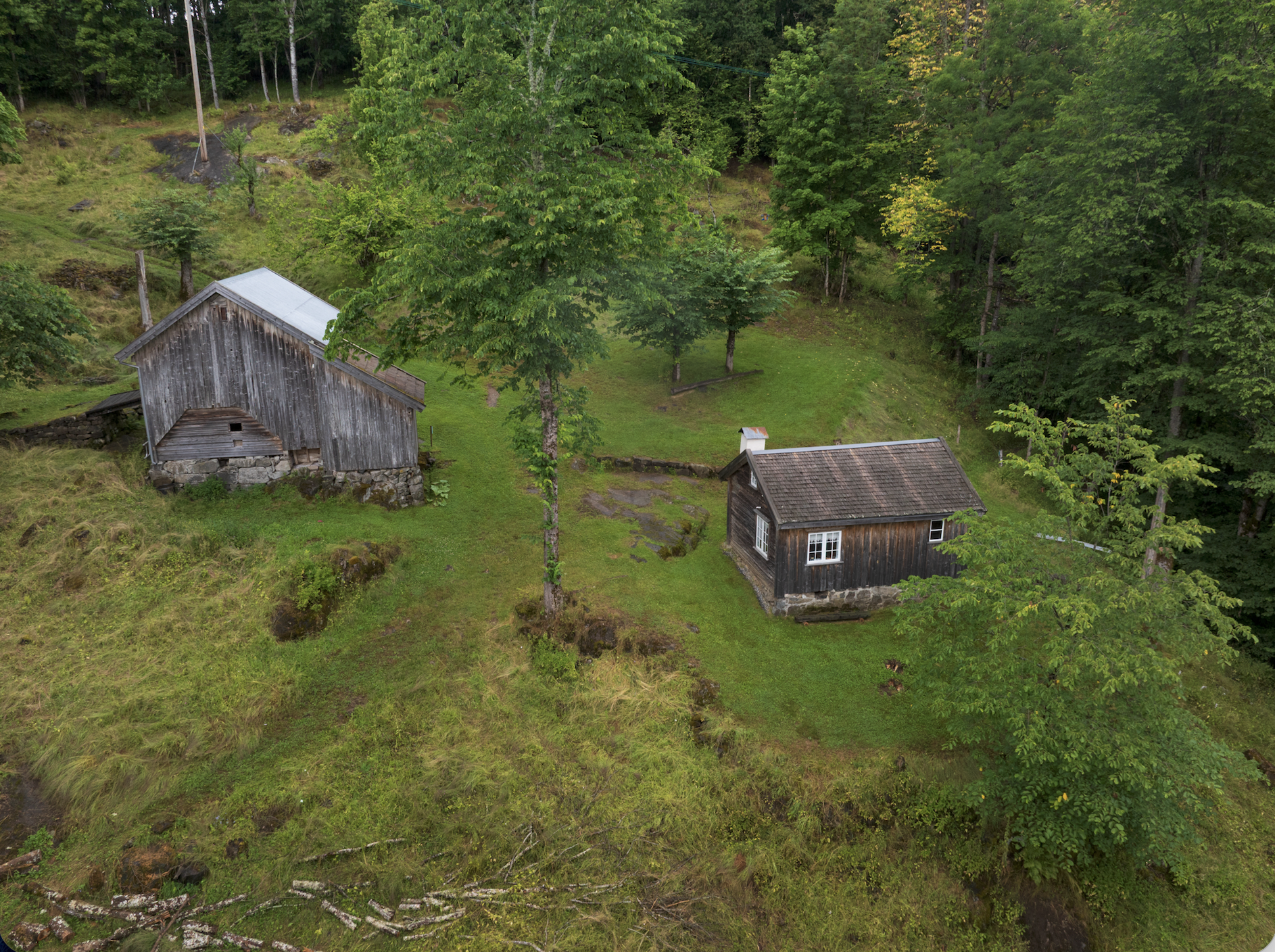
"The project illustrates the conditions of the crofter's life in Norway which differed from that of the tenant farmers in the rest of Europe in general, and which dates from feudal times. The distinct difference was that in Norway the crofters did not own the land, but they generally built and owned their buildings. By comparison to the rest of Europe in feudal times the tenant-farmers owned neither the land nor the buildings. Opportunities in other professions and emigration to America made the crofter system obsolete by the end of WW I"
"The project has saved one of the few authentic crofter homes that would otherwise have collapsed and disappeared, like the vast majority of crofters’ buildings in Norway. Melaaslia has a very authentic building environment in an equally authentic cultural landscape that tells the story of toiling and a hard life.
Owners and course participants have learned traditional craft techniques that are based on a culture of repair and minimal consumption. Local authorities and heritage conservationists have gained increased expertise in general in craft techniques that are not well known, such as the use of cow dung. This project has revived techniques, such as making and laying of wooden roof shingles, to new generations.
Throughout the restoration process, the project website and social media have disseminated information to interested parties throughout the restoration process, raising interest and awareness of the project.
Furthermore, the project has increased the understanding of and pride in the social group – the crofters. In Gjerstad municipality with less than 2500 residents, local historians have identified the existence of about 200 crofters’ farms from about 1700 until 1928.
In addition, there has been an increased interest in the region in registering ruins of crofters’ farms. In the revision of the formal area plan regulations some municipalities have shown a desire to ensure better protection for those locations where there may still be one or more intact building from the crofter era.
Early in the process, Melaaslia was given stronger protection through the municipality's areal planning system. The initiated national registry process has also made the insurance company increase the coverage to total replacement costs in case of damage to the buildings, without increasing premium costs to the owners. "
I den endelige kåringen var det 30 prosjekt som vant, derav 9 i kategorien “Conservation and adaptive reuse”, men dessverre var ikke Melaaslia en av disse. Vinnerne av årets Europa Nostra Awards kan finne og lese mer om her.
Trass at Melaaslia ikke nådde helt opp i den gjeve kåringa, opplever vi uansett en enorm stas at Melaaslia ble plukket ut til å være i dette selskapet av alle disse kulturminneprosjektene som var nominerte, derav kun totalt to fra Norge som ble kortlistet og der Astruptunet etter den kjente norske kunstneren Nikolai Astrup ble en av vinnerne.
At lille husmannsplassen Melaaslia og vårt arbeid med istandsettingen i det hele tatt ble nominert og kom så langt blant veldig mange andre fantastiske kulturmiljøprosjekt i Europa, er ganske uvirkelig.
Blant årets vinnere finner vi blant annet restaureringsprosjekt i Big Ben i London, Operaen i Budapest, og Astruptunet i Jølster, etter Norges store kunstner Nikolai Astrup. Årets priser deles ut på Kypros nå i mai.
Det er fantastisk godt å se at slike kulturmiljøverdier etter husmannsvesenet endelig får den oppmerksomheten den fortjener og sees på som verdifulle, fordi den forteller så utrolig mye om Norge, vår identitet og hvem vi er som nasjon, samt den utrolige reisen vi har gjennomgått de siste 100 år. At vi en gang var blant Europas fattigste, må en aldri glemme. At vi ikke nådde helt til topps i finalen må en ikke ta så tungt når en ser hvilket nivå og prosjekt en har konkurrert sammen med.
Det er utrolig mange å takke for at istandsettingen av Melaaslia har blitt slik det har, men vi ønsker spesielt å fremheve tradisjonshåndverkerne fra Sollie Bygg AS, fylkeskommunens Bygningsvernsenter, de lokale bøndene som har bidratt med beitedyr og våre foreldre.
Naboer og sambygdinger skal også ha en stor takk. Mange har bidratt på dugnader og lagt turer innom, slik at historien og kunnskapen om slike steder ikke dør ut.